
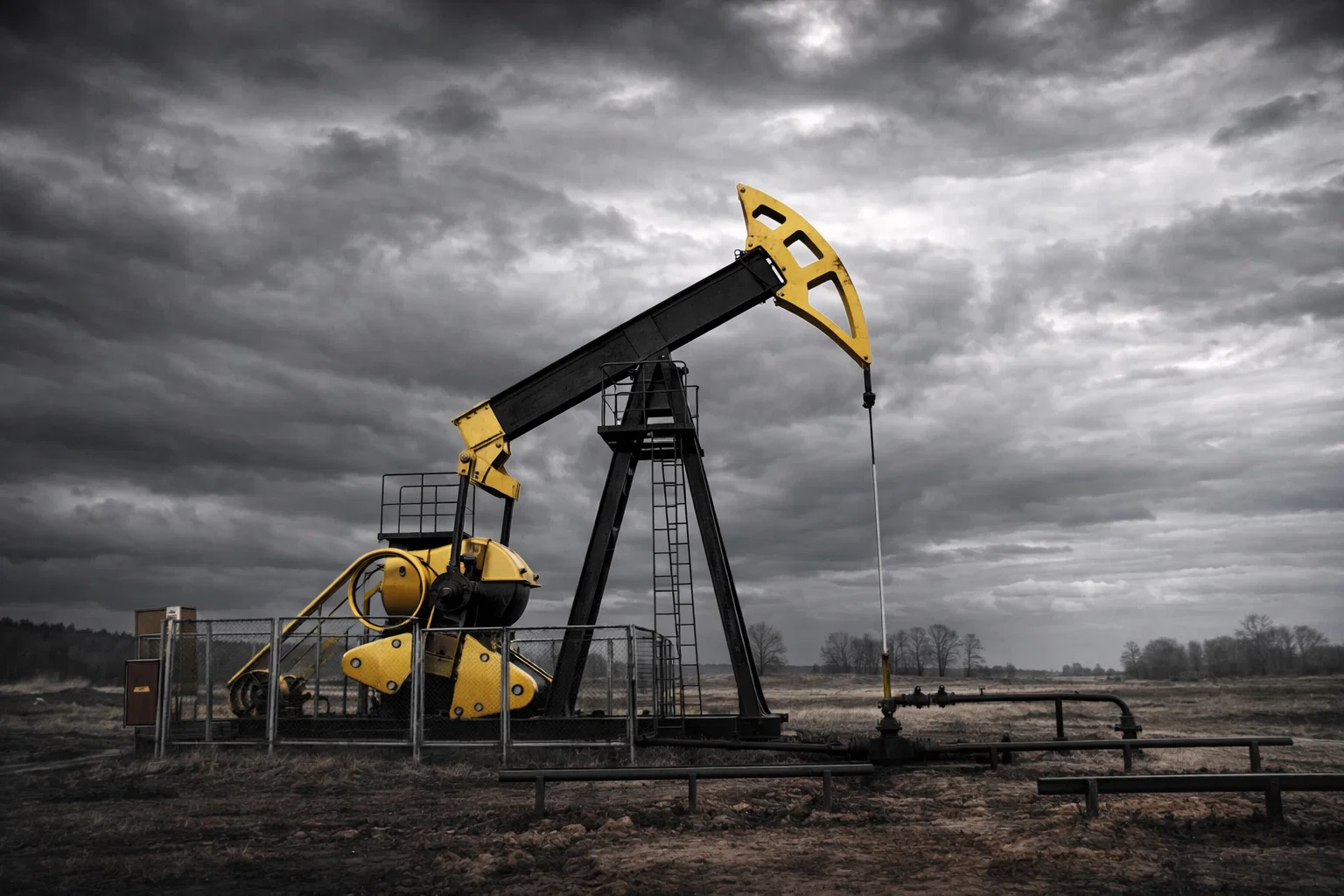
Why Texas Continues to Lead Direct Energy Ownership
Texas remains the cornerstone of U.S. oil and gas production due to its prolific basins, mature infrastructure, favorable regulatory framework, and deep operational talent pool. For accredited investors seeking direct ownership opportunities, Texas offers established producing fields, redevelopment potential, and efficient market access. Institutional operators leverage decades of geological data, midstream connectivity, and operational scale to enhance performance and mitigate risk. When structured with disciplined underwriting and engineering oversight, Texas oil and gas investments can provide a combination of cash flow, tax efficiency, and long-term asset value.
Texas as an Operating Environment, Not a Marketing Narrative
Texas leads not because it is popular, but because it is operationally mature.
The state combines:
- Multi-decade production history across major basins
- Established pipeline and disposal infrastructure
- Dense service-company networks
- Experienced engineering and field personnel
- Regulatory familiarity through long-term development
Maturity reduces unknowns. It does not eliminate risk.
The investor advantage in Texas is measurability. Historical production data, service-cost benchmarks, and basin-specific expertise allow underwriting to be grounded in evidence rather than projections.
The Opportunity Set: Multiple Lanes, Different Risk Profiles
Texas supports a broad spectrum of direct ownership strategies. Institutional investors differentiate among them clearly.
Producing Assets (PDP)
Producing wells offer immediate revenue supported by production history. Evaluation centers on:
- Decline curve durability
- Lease operating expense stability
- Maintenance requirements
- Remaining reserve life
For income-focused investors, PDP assets often anchor a portfolio when underwritten conservatively.
Redevelopment and Reactivation (PDNP)
Texas fields frequently include developed wells that are temporarily shut-in or require targeted rework. Returns depend on:
- Clear scope of required capital
- Timeline to production
- Operator competence in execution
- Infrastructure accessibility
Redevelopment can enhance equity value when executed with discipline.
Development Capital (PUD)
Undeveloped reserves require drilling and completion capital before production begins. This strategy introduces:
- Service-cost exposure
- Schedule risk
- Reservoir performance risk
Development may offer higher upside potential but demands stronger underwriting and execution oversight.
Institutional investors match capital to strategy intentionally. Income capital should not inadvertently assume development risk without recognition.
Infrastructure as a Performance Variable
Texas infrastructure is not merely convenience. It directly impacts economics.
Critical infrastructure considerations include:
- Saltwater disposal access and cost
- Power reliability
- Gas takeaway capacity
- Facility uptime
- Proximity to service providers
A strong well without infrastructure efficiency can underperform. Mature infrastructure often stabilizes operating costs and reduces downtime.
Structure Determines Investor Experience
Texas oil and gas investments are commonly structured through working interests, royalty interests, or entity-based vehicles.
Working Interest
Working interest ownership typically involves participation in revenue and operating costs. This structure:
- Provides operational leverage
- May create distinct tax characteristics depending on facts
- Requires cost-discipline underwriting
Royalty Interest
Royalty ownership generally provides revenue participation without direct operating cost exposure. This structure:
- Simplifies income profile
- Limits operational control
- Produces a different volatility pattern
The structure must align with investor objectives and risk tolerance. Structure-first thinking remains foundational.
The Three Pillars in a Texas Context
The Summit Ventures framework evaluates Texas investments through three lenses:
Cash Flow
Are distributions supported by realistic decline modeling and disciplined operating cost assumptions?
Tax Alpha
Does the structure and operational plan create efficient after-tax outcomes consistent with investor circumstances?
Equity Growth
Is there potential for value creation through redevelopment, optimization, consolidation, or disciplined capital reinvestment?
An investment that relies on only one pillar is incomplete. Durable strategies balance all three.
What Drives Long-Term Outcomes in Texas
Commodity prices influence revenue, but institutional underwriting focuses on controllable variables.
Primary performance drivers include:
- Decline curve management
- Lease operating expense control
- Workover planning and maintenance philosophy
- Operator reporting discipline
- Capital allocation timing
Operators who manage cost structure through cycles often outperform those who rely on favorable pricing environments.
Risk Considerations
Texas does not remove risk. It organizes it.
Investors should evaluate:
- Commodity price volatility
- Execution risk in redevelopment or drilling programs
- Regulatory compliance and environmental obligations
- End-of-life plugging and abandonment exposure
- Liquidity constraints in private ownership
Risk is managed through conservative assumptions, diversified exposure, and disciplined position sizing.
Portfolio Role
Texas oil and gas investments often sit within alternative allocations because they:
- Provide exposure to tangible production assets
- May offer income diversification relative to equities and bonds
- Can introduce partial inflation sensitivity through commodity-linked revenue
- Carry distinct liquidity and tax characteristics
Position sizing and capital allocation discipline remain critical.
Key Takeaways
- Texas leads due to operational maturity, infrastructure depth, and engineering talent.
- Producing, redevelopment, and development strategies carry distinct risk profiles.
- Infrastructure and cost discipline often determine durability more than geology alone.
- Structure (working vs royalty) materially affects investor experience and volatility.
- The Three Pillars framework clarifies how Texas assets fit within a broader wealth strategy.
- Conservative underwriting and operator discipline remain the primary safeguards against risk.
Disclaimer
This article is for educational purposes only and is not intended as investment, legal, or tax advice. Oil and gas investing involves risk, including the potential loss of principal. Consult qualified professionals regarding your specific circumstances before investing.